
Markets, prices, and who pays
How buyers and sellers arrive at a price, what a tax or a tariff does to it and who ends up paying, and what economists do where no market is allowed. These articles go with the units on supply and demand, elasticity, firms and competition, market power, market failure, and trade, and each one works through a real case with the numbers behind it.
Articles
Who pays a tariff? The 2018 evidence
A tariff is a tax collected at the border from the importer, and politicians on all sides say that foreigners pay it. In 2018 the United States raised tariffs on steel, aluminium, and most imports from China, and economists measured who paid. The answer was unusually clear.
How a statistical office measures inflation
Every month a statistical office announces a single inflation rate, and every month some people say it does not match their experience. Both can be right. Here is how the number is made: the basket, the weights, the price collectors, and the biases the method cannot avoid.
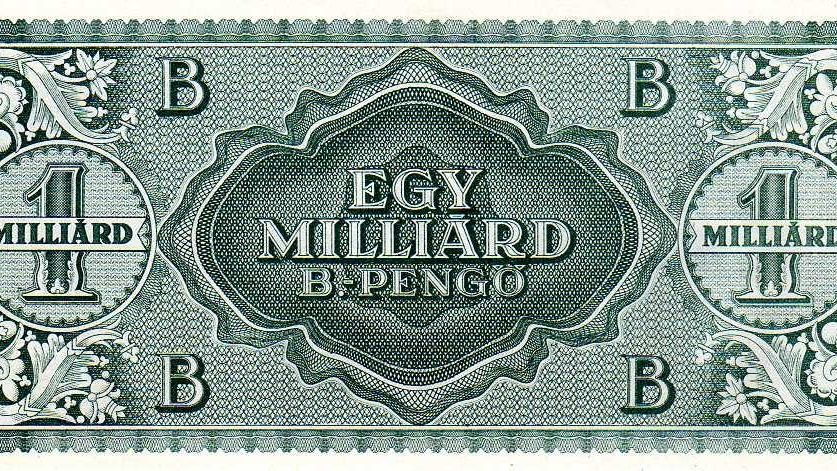
Why prices in Hungary doubled every fifteen hours
In July 1946 Hungary suffered the fastest inflation ever recorded: prices rose by about 207 per cent a day. Here is how that daily rate turns into a doubling time of fifteen hours, what the government was doing, and how it ended within a month.
Who really pays a tax on petrol?
Fuel duty is collected from the oil companies, and drivers assume they pay it all at the pump. Economics says the split depends on two elasticities, and for petrol the answer is close to what drivers assume, for a reason worth understanding.

How economists built a market for kidneys without prices
Selling a kidney is illegal almost everywhere, yet thousands of patients with a willing but incompatible donor have received a transplant through an exchange that economists designed. Here is how the matching works and what it has produced.
In the masterclass
Supply, Demand, and Market Equilibrium
How buyers and sellers arrive at a price, and what moves it
Consumer Choice and Elasticity
Where the demand curve comes from, and how strongly it responds
Firms, Costs, and Competitive Markets
What a firm costs, what it produces, and why competition erodes profit
Market Power and Strategy
Monopoly, oligopoly, and the strategy of firms that watch each other
Market Failure and Public Policy
Externalities, public goods, hidden information, and what policy can do
International Trade and Exchange Rates
Why countries trade, who gains, and what an exchange rate measures