
Money, banks, and financial crises
How a bank creates money when it lends, why a sound bank can fail through a run, and what a central bank does with its policy rate. The articles follow the units on the measurement of the economy, on money and central banks, and on business cycles, from the balance sheet of a single bank to the hyperinflation of Hungary and the policy response of 2008 and 2020.
Articles
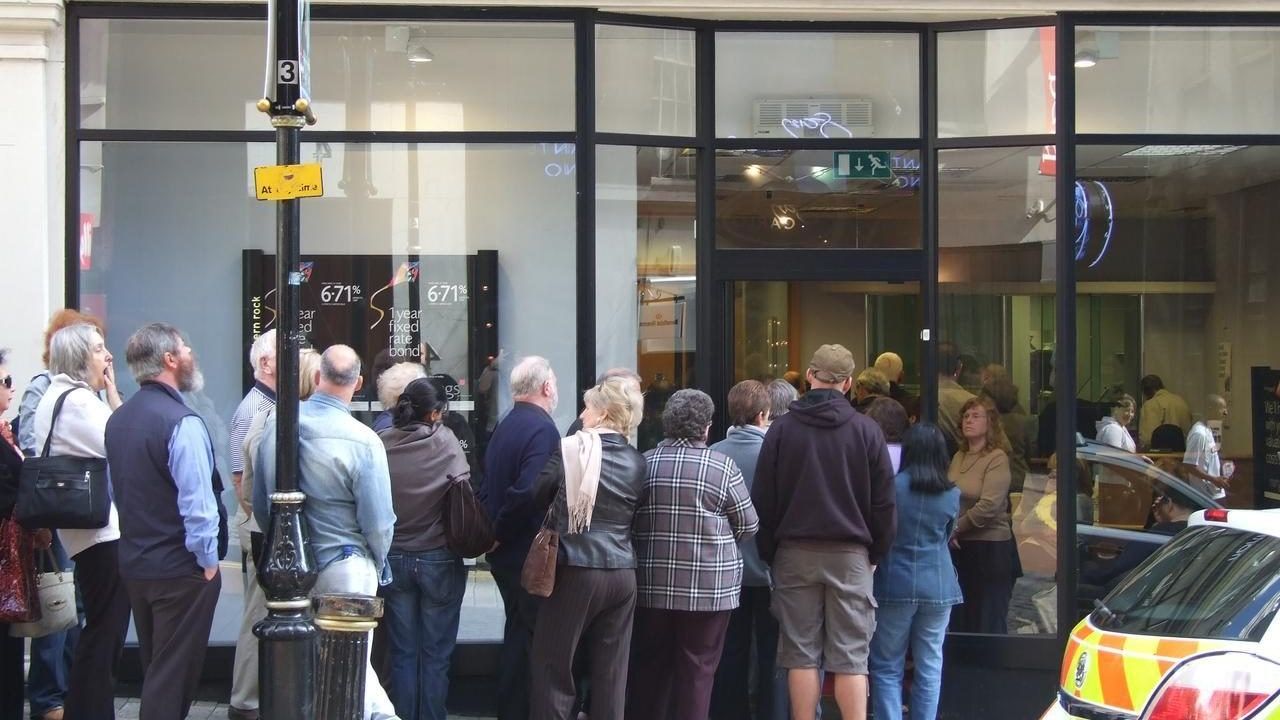
What a run on a bank looks like, 1866 to 2023
A queue in Lombard Street in 1866, a queue outside Northern Rock in 2007, and 42 billion dollars leaving Silicon Valley Bank through an app in a single day in 2023. The technology changed and the mechanism did not, and one model from 1983 explains all three.

How a statistical office measures inflation
Every month a statistical office announces a single inflation rate, and every month some people say it does not match their experience. Both can be right. Here is how the number is made: the basket, the weights, the price collectors, and the biases the method cannot avoid.
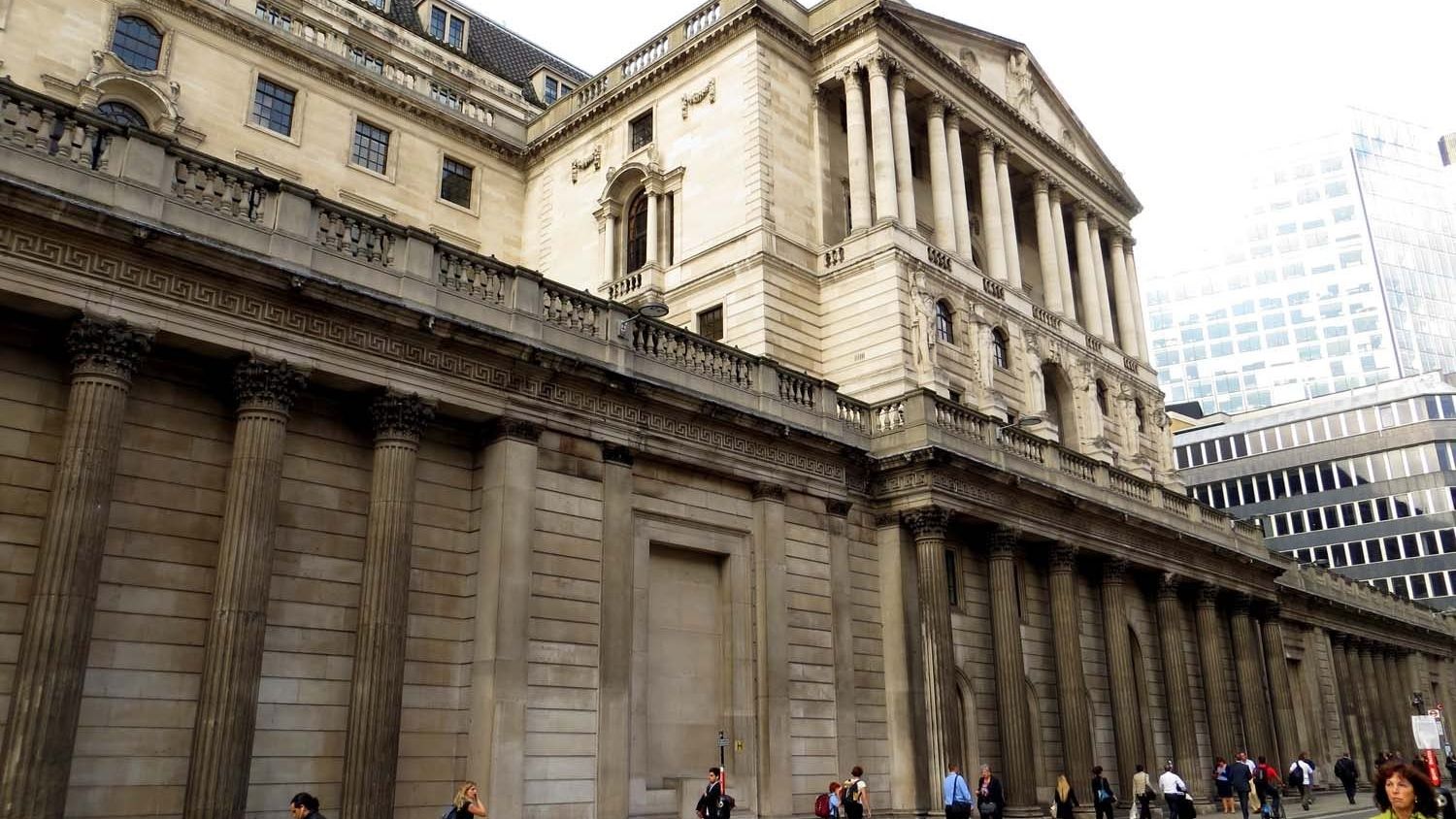
How a bank creates money when it lends
Most people think a bank takes in deposits and lends them out. The order is the other way round: when a bank makes a loan it creates a new deposit, and that deposit is money. The Bank of England explained it in 2014, and the balance sheet makes it plain.
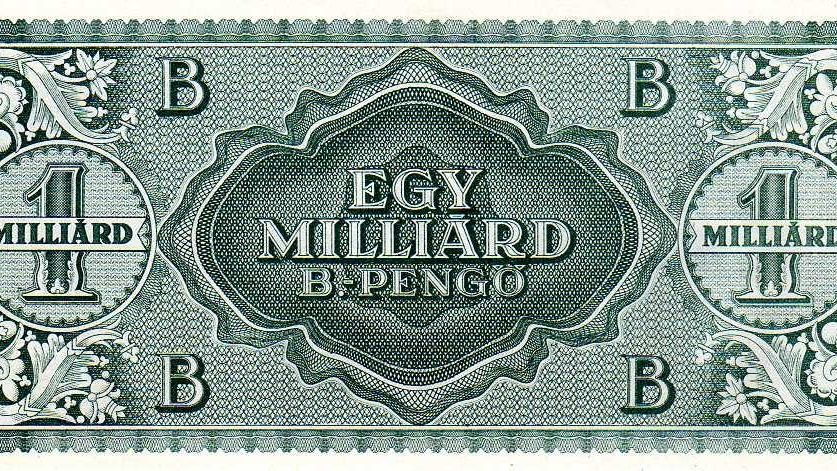
Why prices in Hungary doubled every fifteen hours
In July 1946 Hungary suffered the fastest inflation ever recorded: prices rose by about 207 per cent a day. Here is how that daily rate turns into a doubling time of fifteen hours, what the government was doing, and how it ended within a month.
In the masterclass
Measuring the Economy
How GDP, inflation, and unemployment are measured, and what they miss
Money, Banks, and Central Banks
What money is, how banks create it, and how central banks steer rates
Business Cycles and Stabilization Policy
Recessions, booms, and the fiscal and monetary tools used against them