
Episodes from economic history
The people and machines behind the models: Bill Phillips and his economy made of water, the first charts of trade, and the panics from 1866 to 2023. The articles go with the units on the economist's toolkit, on business cycles, and on behavioural finance, where these episodes return as the cases the models were built to explain.
Articles
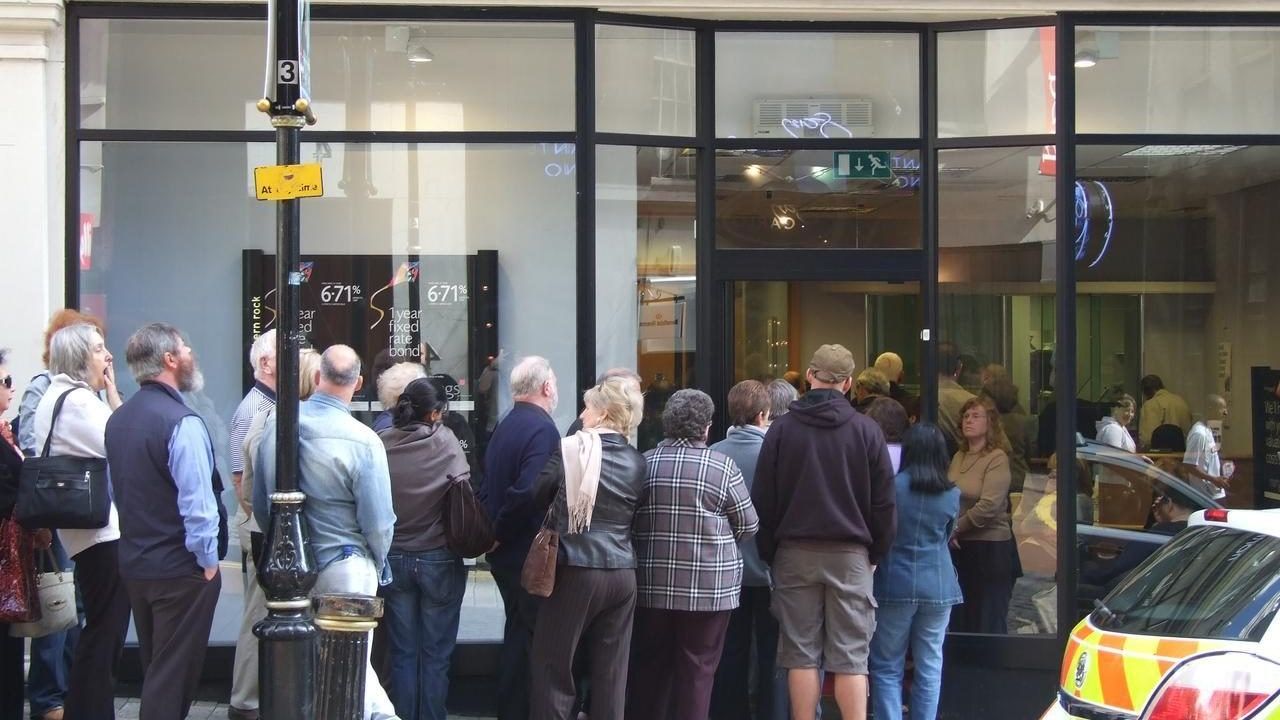
What a run on a bank looks like, 1866 to 2023
A queue in Lombard Street in 1866, a queue outside Northern Rock in 2007, and 42 billion dollars leaving Silicon Valley Bank through an app in a single day in 2023. The technology changed and the mechanism did not, and one model from 1983 explains all three.
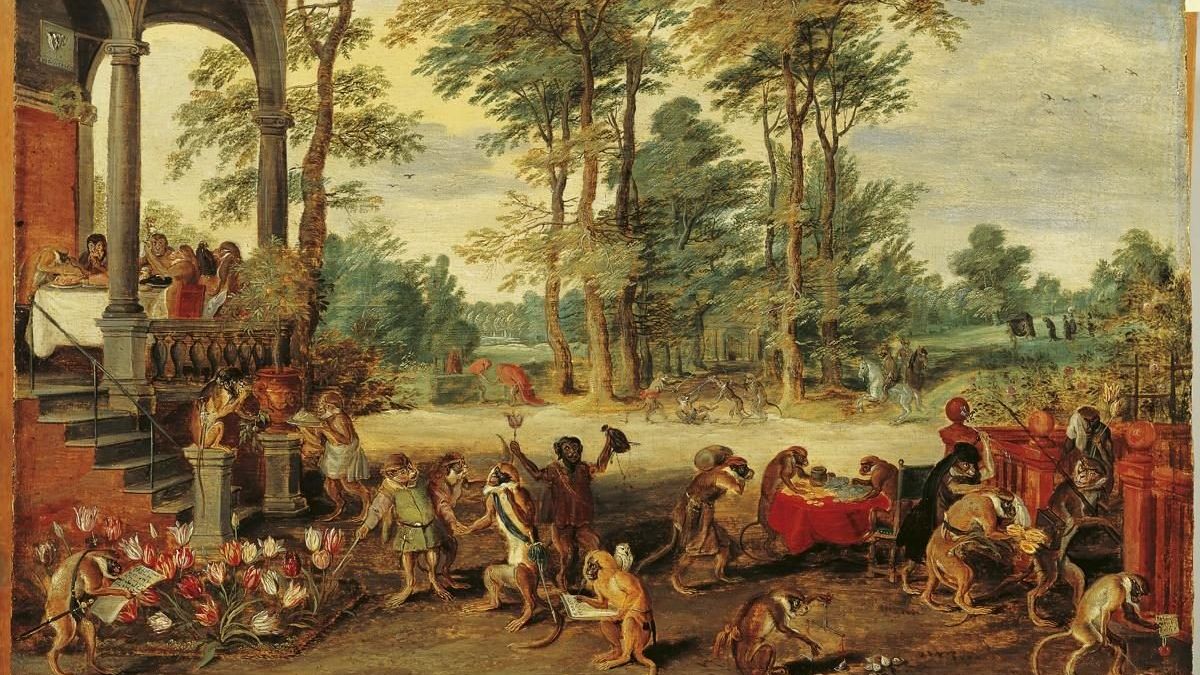
Was tulip mania really a bubble?
Nearly every finance book tells of Dutch merchants trading houses for single tulip bulbs in 1637. The historian Anne Goldgar went to the archives and found a smaller, stranger episode than the legend. What the records show, and what the story can still teach.
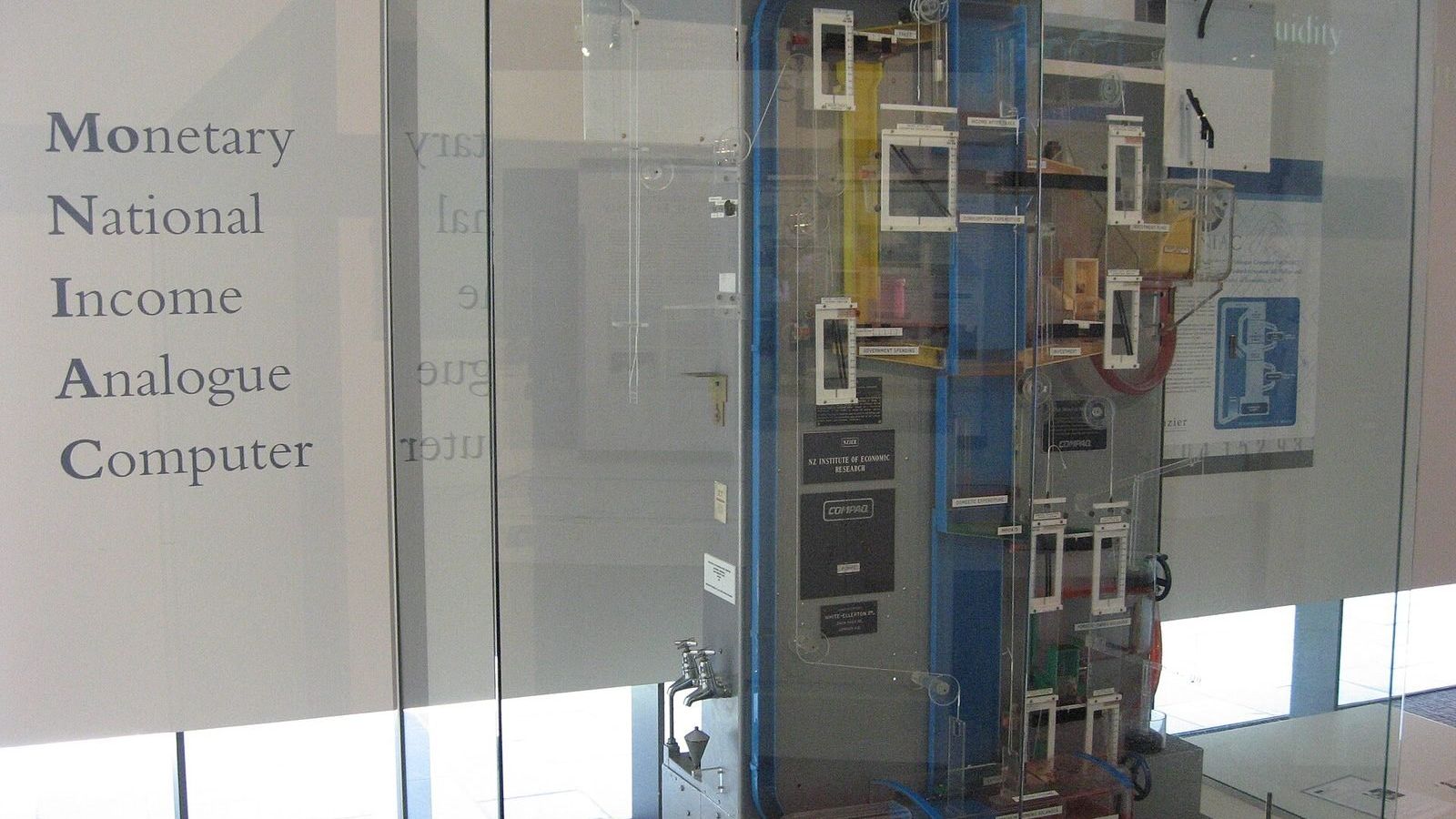
An economy made of water
In 1949 Bill Phillips, an engineering student turned economist, built a machine of tanks, pipes, and valves in which coloured water stood for money flowing through the British economy. About a dozen were made, and a few of them still run.
In the masterclass
The Economist's Toolkit
How economists think, measure, and tell cause from correlation
Business Cycles and Stabilization Policy
Recessions, booms, and the fiscal and monetary tools used against them
Behavioural Finance and Asset Bubbles
Market efficiency, its cracks, and the bubbles of 1637, 1929, 2000, and 2006