
Measuring the economy
How a statistical office measures inflation, what GDP counts and leaves out, how a minimum wage study is designed, and ten numbers worth knowing. The articles go with the units on the economist's toolkit, on measuring the economy, and on labour markets, where index numbers, real against nominal values, and natural experiments are introduced.
Articles
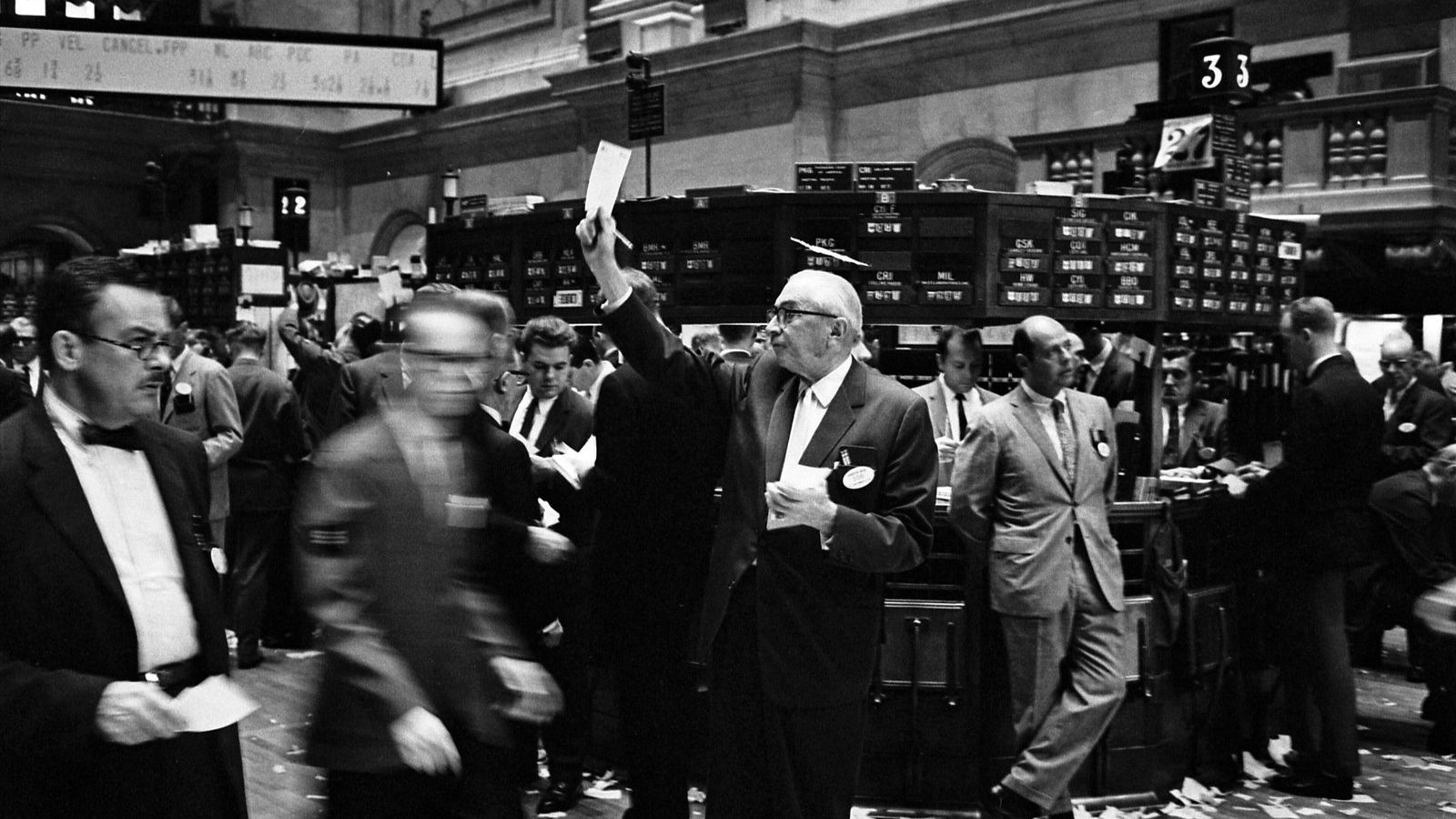
Ten numbers every economics student should know
An economist reads a headline with a small set of numbers already in mind, against which the new figure is judged. Here are ten of them, each with what it measures, where it comes from, and the date it carries.

How a statistical office measures inflation
Every month a statistical office announces a single inflation rate, and every month some people say it does not match their experience. Both can be right. Here is how the number is made: the basket, the weights, the price collectors, and the biases the method cannot avoid.

Does a higher minimum wage cost jobs?
In 1992 New Jersey raised its minimum wage and two economists counted the jobs in fast-food restaurants on both sides of the state line. Thirty years of research later, the honest answer is a range, and it is worth knowing why.
In the masterclass
The Economist's Toolkit
How economists think, measure, and tell cause from correlation
Measuring the Economy
How GDP, inflation, and unemployment are measured, and what they miss
Labour Markets and Inequality
Wages, human capital, the pay gap, and how inequality is measured