
Growth and the wealth of nations
Why some countries grew rich and others did not, what Korea at night shows and what it cannot prove, and how a doubling time is computed. These articles belong to the units on the economist's toolkit and on growth, where the production function, growth accounting, and the evidence on institutions are worked out with the data of the two Koreas, China, and the long-run series of the statistical offices.
Articles
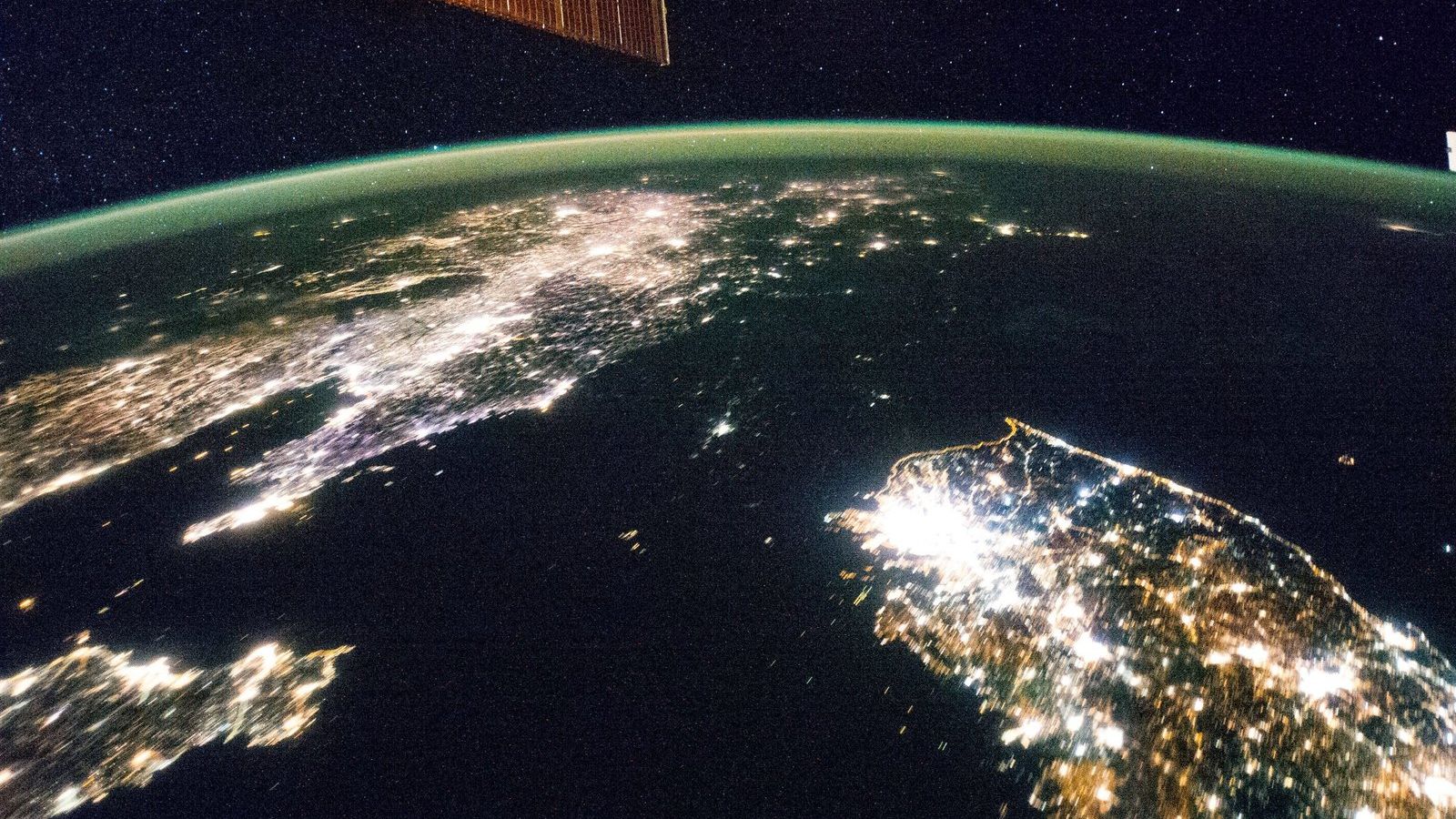
What the night sky over Korea tells an economist
A photograph taken from the International Space Station shows South Korea blazing with light and North Korea almost dark. The two were one country until 1945. The picture is the closest thing economics has to a controlled experiment, and it is worth knowing exactly what it proves.

The rule of 70 and why China's forty years were different
Divide 70 by a growth rate and you get the number of years it takes for something to double. The rule turns growth rates into history, and nowhere more dramatically than in China after 1978, where income per head doubled four times in a working lifetime.
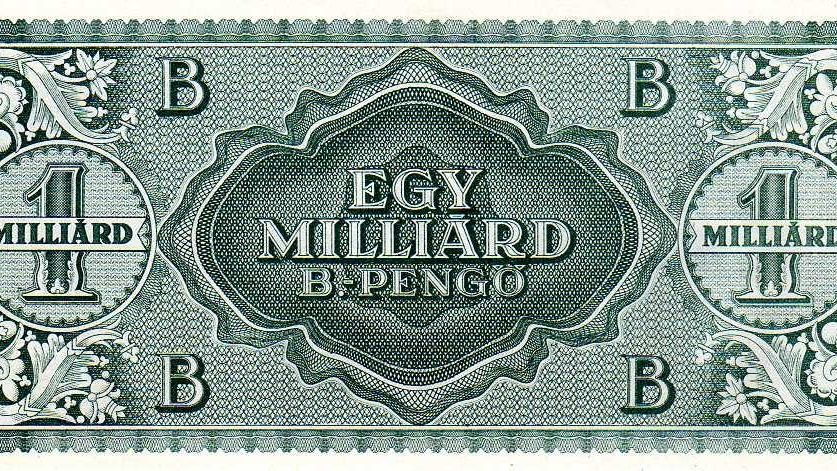
Why prices in Hungary doubled every fifteen hours
In July 1946 Hungary suffered the fastest inflation ever recorded: prices rose by about 207 per cent a day. Here is how that daily rate turns into a doubling time of fifteen hours, what the government was doing, and how it ended within a month.